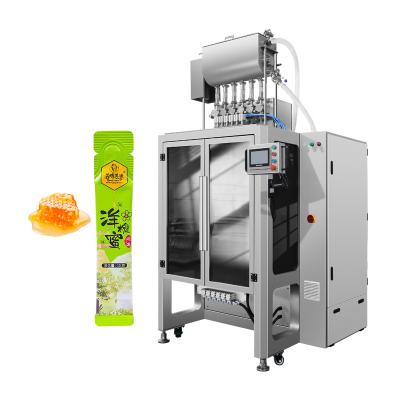
In the competitive food manufacturing landscape, plant managers and procurement directors face relentless pressure to optimize production lines. Recent industry trends show that food makers face more pressure to boost efficiency.
They must also follow stricter food safety rules. Relying on outdated manual or semi-automated packaging lines is no longer sustainable. To maintain profitability and ensure regulatory compliance, facilities must eliminate the common everyday headaches that stall the packaging floor.
Common Food Packaging Problems on the Factory Floor
Before investing in new machinery, it is essential to address the systemic operational failures that drain factory profits and cause unplanned downtime. On a busy production line, operators frequently battle five critical issues:
Weight Inconsistency & Product Giveaway: Low-precision filling systems lead to weighing drift, causing costly over-filling or legal issues from under-filled bags.
Dust Accumulation: During high-speed operation of a food packaging machine, fine particles generated from grains, sugar, and snacks can accumulate on sensors, sealing jaws, and moving components, leading to premature wear and inconsistent performance.
Seal Leakage & Tailings: Fine particles caught in the sealing area cause micro-gaps. These faulty seals lead to oxygen ingress, product spoilage, and expensive retailer rejections.
Product Contamination: Excessive manual handling increases exposure to pathogens, compromising food safety standards.
Slow Changeover Downtime: Spending hours cleaning and recalibrating the line when switching from one SKU to another severely limits daily production capacity.
To fix these issues, factories are moving away from manual work. They are upgrading to a fully automatic food packaging machine. By keeping the product in a controlled machine setting, automatic food packaging reduces mistakes. Workers weigh each bag, fill it, and seal it tightly.
Technical Solutions for Free-Flowing Products
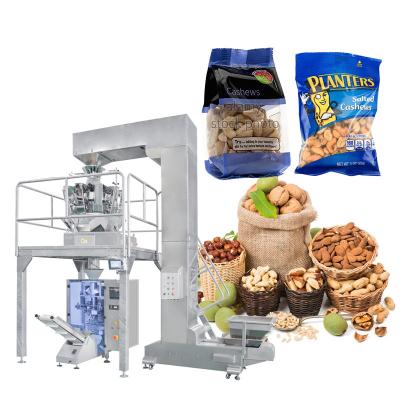
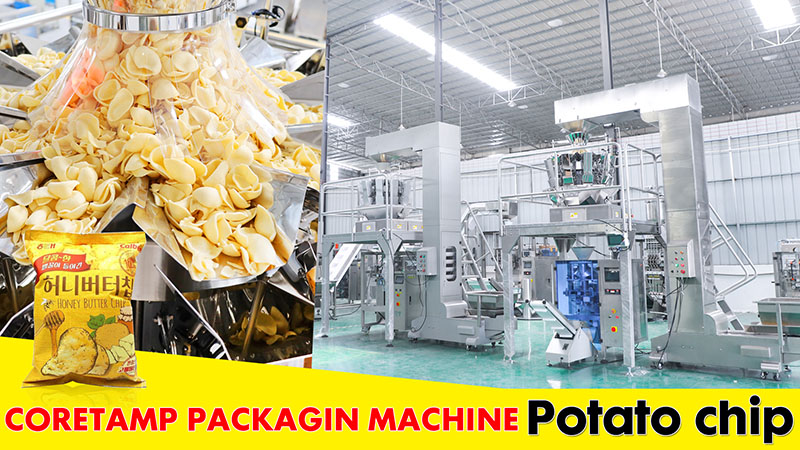
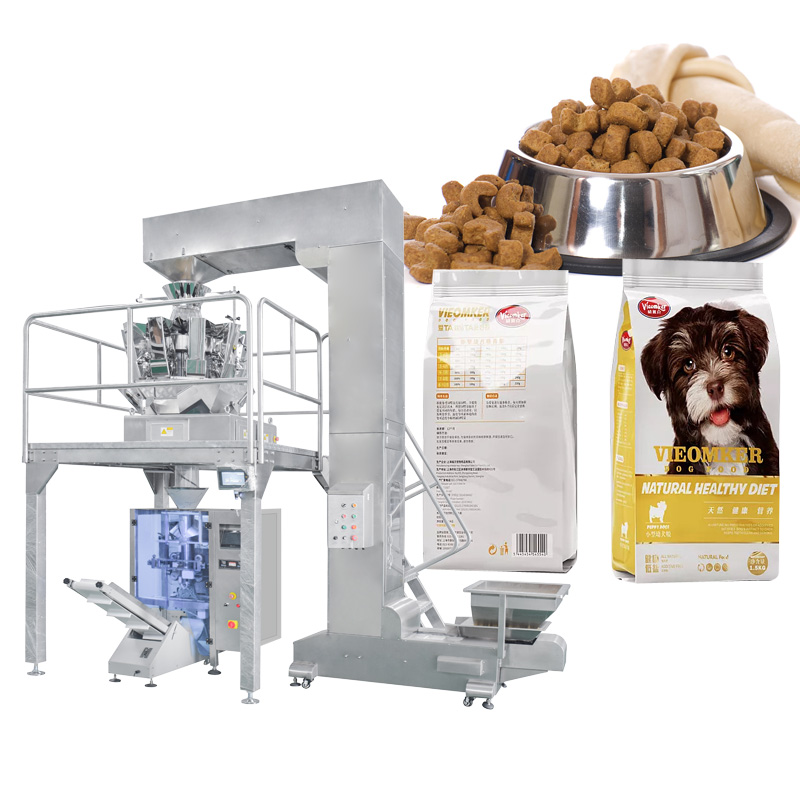
Many modern food packaging machines use the same core technology as granule packaging machines. This lets manufacturers pack grains, nuts, coffee beans, seeds, and other free-flowing products accurately.
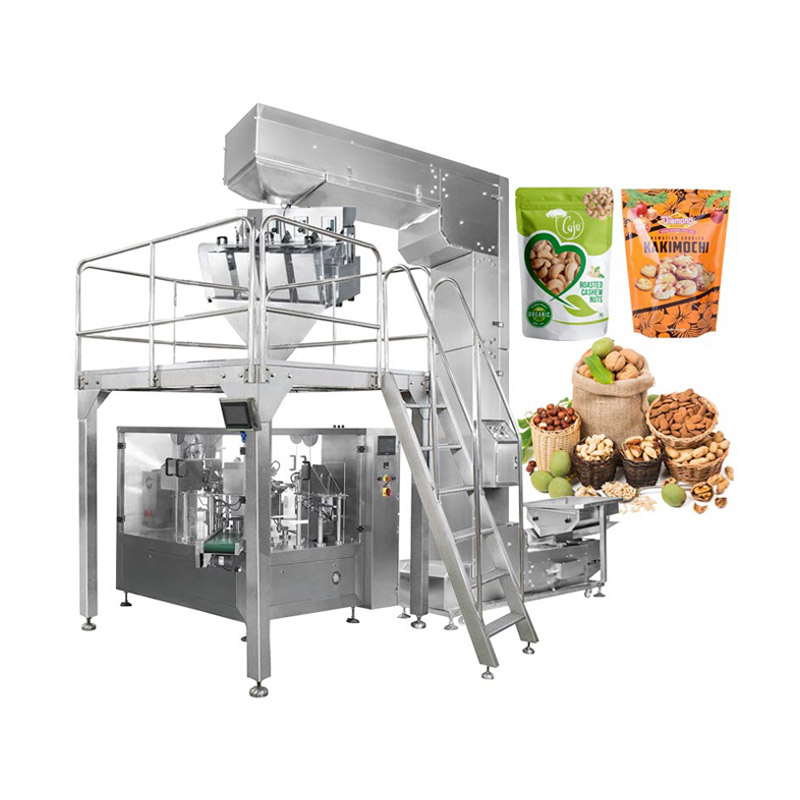
For instance, when set up as a high-speed grain packaging machine, the system uses heavy-duty volumetric cups. It can also use multi-head weighers to drop dense products fast without crushing them. Conversely, when used as a specialized nuts packing machine, the equipment uses gentle vibrating feeders and padded chutes. These features prevent fragile, high-value walnuts or cashews from breaking during the filling cycle.
How to Choose the Right Food Packaging Machine
Selecting the correct system requires matching your specific factory environment with the right mechanical specifications. Leading food packaging companies recommend evaluating four core criteria before purchasing:
1. Product Type & Material Characteristics
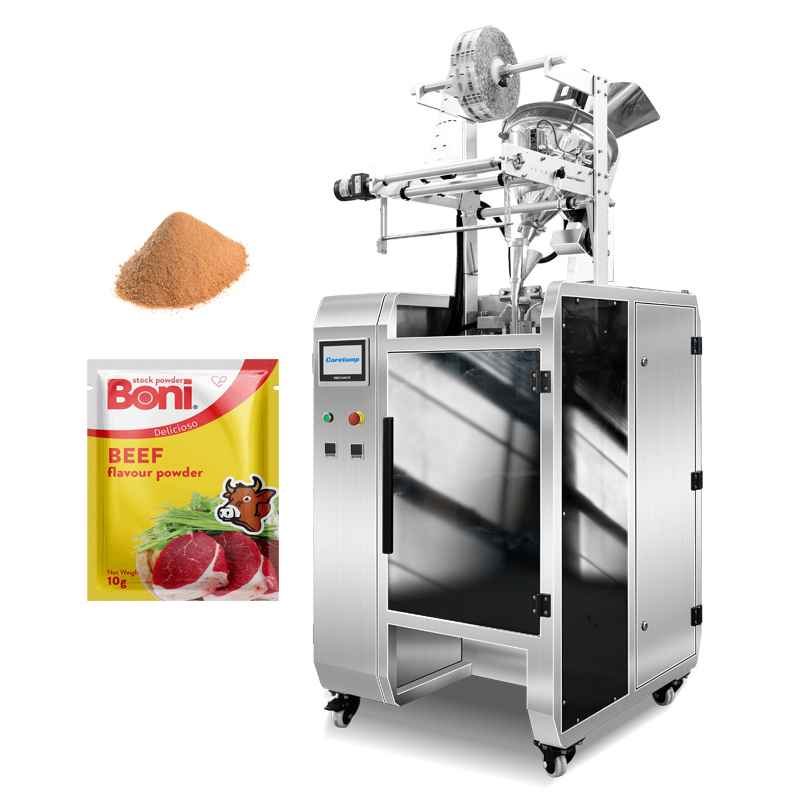
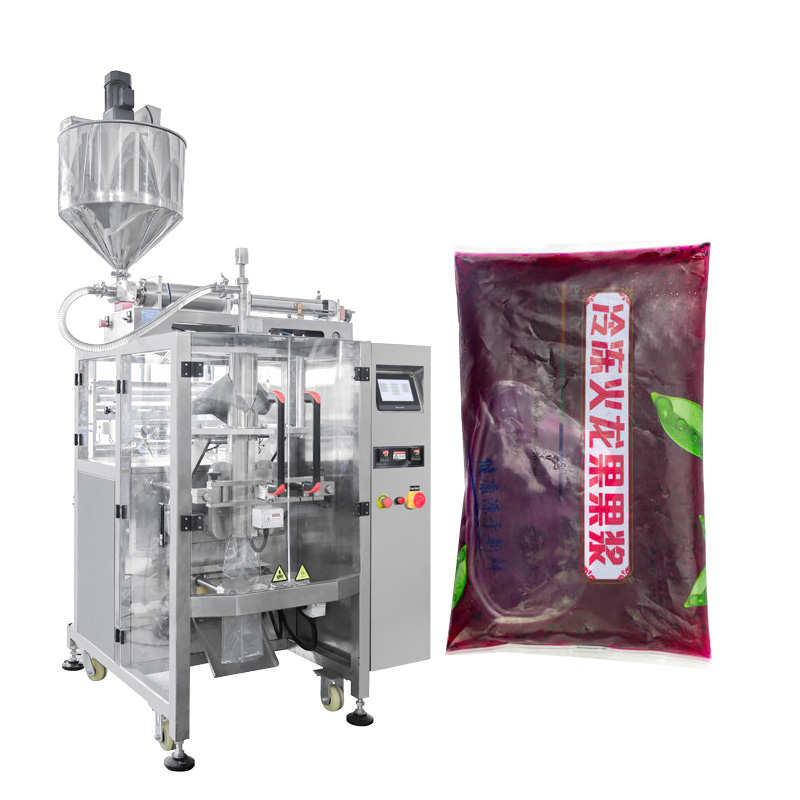
Ensure your machine's dosing system matches your material. While a dedicated granule packaging machine handles free-flowing items perfectly, sticky powders or liquids require completely different auger or piston fillers.
2. Bag Style & Aesthetic Goals
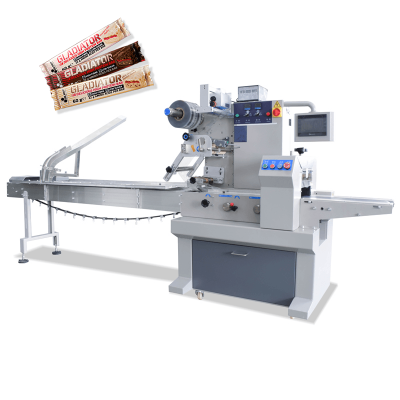
Pillow Bags / Gusset Bags: Best suited for high-volume, cost-effective commodities. These are typically produced on Vertical Form-Fill-Seal (VFFS) systems.
Zipper Pouches / Stand-up Doypacks: Ideal for premium retail. These require a specialized premade pouch fill and seal machine that uses mechanical arms to open and fill pre-fabricated bags.
3. Production Capacity & Throughput
Calculate your required throughput to choose the right mechanical scale for your daily operational targets:
Small Batch Production: 30–50 bags/min (ideal for boutique brands, niche SKUs, or short seasonal runs).
Medium-Scale Production: 50–100 bags/min (the standard workhorse speed for growing, automated mid-sized factories).
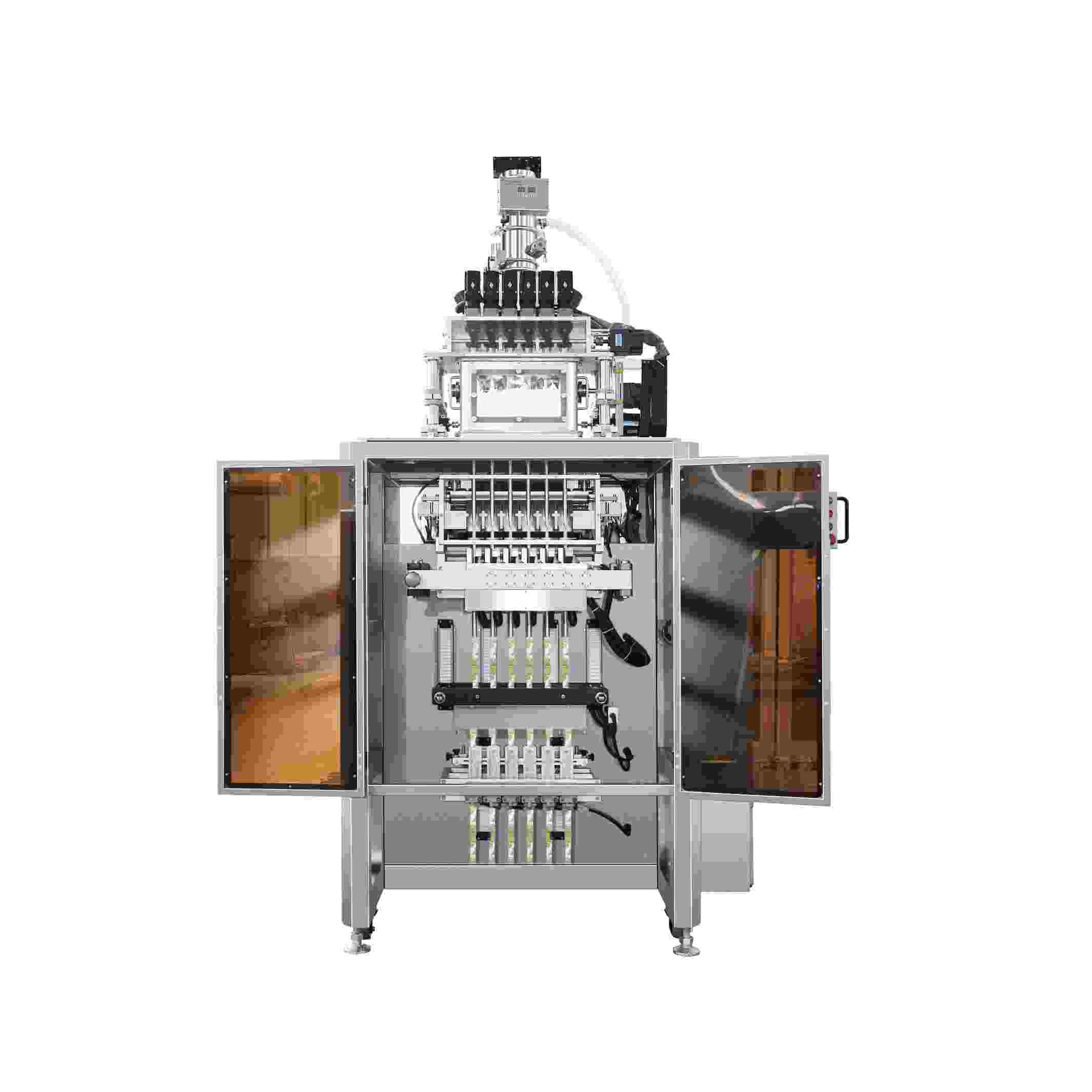
High-Speed Industrial Production: 100+ bags/min (multi-lane VFFS or advanced rotary systems designed for continuous 24/7 manufacturing).
4. Construction Material (Sanitation Standards)
To comply with washdown requirements and prevent rust, look for a machine built with high-grade stainless steel. SUS304 is sufficient for most food applications, while SUS316 is recommended for highly corrosive, salty, or pharmaceutical-grade products.
Frequently Asked Questions
What products can a food packaging machine handle?
It can package grains, coffee beans, nuts, seeds, sugar, and other free-flowing granules.
VFFS vs premade pouch—what’s the difference?
VFFS is faster and cheaper using roll film. Premade pouch machines offer a more premium retail look.
How often should the machine be cleaned?
Wipe daily, deep clean weekly, and always clean after product changeovers.
Can one machine handle different bag sizes?
Yes. Most machines support quick changeovers within 20–30 minutes.
Conclusion & Next Steps
Whether you need a compact grain packaging machine for farm products, the right system boosts efficiency. Whether you need a gentle nuts packing machine for premium snacks, the right system boosts efficiency. Whether you need a fully automatic food packaging machine for contract manufacturing, the right system boosts efficiency. It cuts labor costs and ensures consistent package quality.
Ready to eliminate seal leakage and weighing drift on your production line?
Contact our engineering team today to discuss your product type, bag style, and production requirements for a custom hardware blueprint.

 No. 12 South Chuangye Road, Zhaoda Pioneer Park, Shishan Town, Nanhai District, Foshan City, GD, China


 العربية



 آلة التعبئة العمودية
 Powder Packaging Machine
 Liquid Packaging Machine
 آلة تغليف حزمة التدفق
 Premade Pouch Packaging Machine
 متعدد المسارات آلة التعبئة
 Sachet Packaging Machine
 خط تعبئة أوتوماتيكي